
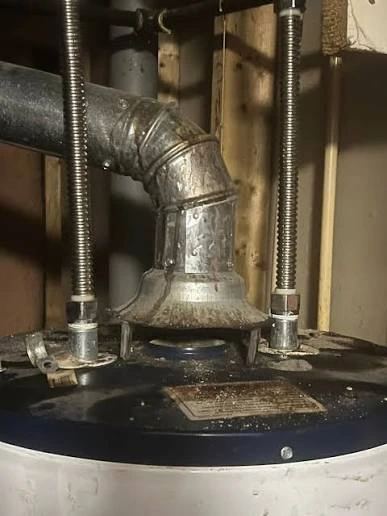
Carbon monoxide is a by-product of burning fuel, it has no smell, and a gas water heater burns fuel. The CDC describes carbon monoxide as an odorless, colorless gas that kills without warning. A State Water Heaters manual states the connection to a water heater directly: a gas-fired unit “operates by burning gas,” and has to be supplied with adequate combustion air and properly vented to the outdoors. This page sets out what the CDC, the Consumer Product Safety Commission and that manual say, and nothing beyond it.
A Gas Smell And Carbon Monoxide Are Different Problems
The odor people associate with a gas leak is added to the fuel; carbon monoxide has none. State Water Heaters’ gas tankless manual (models THR-160, THR-180 and THR-199) says the gas supplier adds an odorant, that it “may fade over an extended period of time,” and that it should not be relied on to indicate leaking gas. Separately it describes carbon monoxide as a colorless, odorless by-product of burning fuels including propane and natural gas, and recommends installing a fuel gas and carbon monoxide detector. A gas smell means leave and call from outside, as our shut-off guide explains. Carbon monoxide means an alarm, because no nose will warn you.
What Carbon Monoxide Does
Both agencies list the same early symptoms, and both say they resemble other illnesses. The CDC lists headache, dizziness, weakness, upset stomach, vomiting, chest pain and confusion, describes them as often flu-like, and says people who are sleeping, drunk or under the influence of other substances can die from carbon monoxide poisoning before they have symptoms. The CPSC lists headache, dizziness, weakness, nausea, vomiting, sleepiness and confusion. Those lists are the agencies’ own wording, and neither is a way to diagnose yourself.
Where Alarms Go
The two agencies word alarm placement differently, and we record both rather than choosing. The CPSC says to install battery-operated alarms, or alarms with battery backup, on every level of the home and outside sleeping areas, and that interconnected alarms are best because when one sounds they all sound. The CDC says to install battery-operated or battery backup detectors near every sleeping area, and to replace a detector following the manufacturer’s instructions or every 5 years. The State manual recommends a detector in the living areas of the home. Follow your alarm maker’s instructions, and check what applies at your address; this page makes no statement about Pennsylvania or municipal alarm requirements.
Want a gas water heater’s vent and combustion air looked at? Call (717) 500-8528.
Venting And Servicing
The CDC says to have a water heater and other gas appliances serviced by a qualified technician every year, and to make sure gas appliances are vented properly. It adds that horizontal vent pipes for appliances such as a water heater should go up slightly as they go toward the outdoors, which prevents carbon monoxide from leaking if the joints or pipes are not fitted tightly. The CPSC’s older guidance, an October 2001 news release, urges a professional inspection of all fuel-burning appliances including water heaters, and says to have vents to water heaters and other appliances checked to make sure they are not loose or disconnected.
The manufacturer’s manual is firmer on who does the work. It says improper venting can result in excessive carbon monoxide, that the vent system must be installed by a qualified person, and gives gas technicians, authorized gas company personnel and authorized service technicians as examples. That is the reason this page gives no venting procedure, and why our gas water heater repair and gas water heater installation pages handle the work.
How one manufacturer defines the venting types is in our direct vent vs power vent guide.
If An Alarm Sounds Or You Feel Unwell
The CPSC’s instruction is to get outside to fresh air immediately, and then call 911 if you suspect poisoning. Do not stop to troubleshoot the water heater first. Whether the heater was the source is a question for the responders and for a qualified technician afterwards, not something to settle while symptoms are developing.
What This Page Will Not Tell You
It will not tell you the number of carbon monoxide incidents caused by water heaters, in Lancaster County or anywhere else. The CDC and CPSC pages we read give national figures across all sources and no breakdown for water heaters that we can cite, so none is offered. It also does not cover electric or heat pump water heaters: the warnings in these sources are written for units that burn fuel. For other gas-heater problems, see pilot light keeps going out.
Gas Water Heater Concern Right Now?
Service requests and emergency service are available 24/7 across Lancaster City and Lancaster County.
Call For Emergency ServiceCarbon Monoxide FAQ
Can a gas water heater cause carbon monoxide poisoning?
Manufacturer and federal sources say it can if it is not properly vented. A State Water Heaters manual says improper venting can result in excessive levels of carbon monoxide, which can cause severe injury or death, and that the heater must be supplied with adequate combustion air and vented outdoors. The CDC says to have gas appliances including water heaters serviced yearly and to make sure they are vented properly.
Will I smell carbon monoxide?
No. The CDC calls carbon monoxide an odorless, colorless gas. The odor associated with gas leaks is an odorant added by the gas supplier, and a State Water Heaters manual says it may fade and should not be relied on to indicate leaking gas. That is why both the manual and the agencies point to alarms rather than smell.
Where should carbon monoxide alarms go?
The agencies word it differently. The CPSC says on every level of the home and outside sleeping areas; the CDC says near every sleeping area; the State manual says the living areas. Follow your alarm maker’s instructions and check local requirements, which this page does not state.
What should I do if my carbon monoxide alarm sounds?
Get outside to fresh air immediately and then call 911. That is the CPSC’s instruction for suspected poisoning. Do not stay to investigate the water heater. If you also smell gas, leave and call from outside; see our shut-off guide.
When should a gas water heater be inspected?
The CDC says to have water heaters and other gas appliances serviced by a qualified technician every year. The CPSC’s 2001 guidance calls for a professional inspection of fuel-burning appliances including water heaters, with vents checked for being loose or disconnected. A manufacturer’s own manual may specify more for its model.
Who checks a gas water heater’s venting near me in Lancaster County?
Lancaster Water Heater Pros services gas water heaters across Lancaster City and Lancaster County. Call (717) 500-8528 to arrange a check of the vent and combustion air. If an alarm is sounding now, leave first and call 911. Service requests are accepted 24/7.